Footing & Foundations
Footings are one of the most important parts of any build. If the foundations are not right, problems usually start later. Whether it is for a house extension, garage, garden room or new build, the groundwork needs to be dug properly, set to the correct depth and built to suit the ground conditions below.
A large amount of foundation work carried out across Cambridgeshire is affected by local ground conditions. Around areas such as St Ives, Huntingdon and Cambridge, heavy clay ground is common. Clay can expand and shrink depending on moisture levels and weather conditions, which is why foundations need to be dug correctly to help prevent movement and cracking later on.
In lower lying fenland areas around places like Chatteris and Ely, softer ground and higher water tables can create additional challenges during excavation works. Some trenches can quickly take on water during wetter months, which needs to be managed properly before concrete is poured.
Older properties and extension projects can also uncover made ground, buried drainage runs or previous building waste below ground level. Proper groundwork and site assessment helps avoid future structural problems and delays once the build begins.
Types of Footings We Provide
Strip Footings
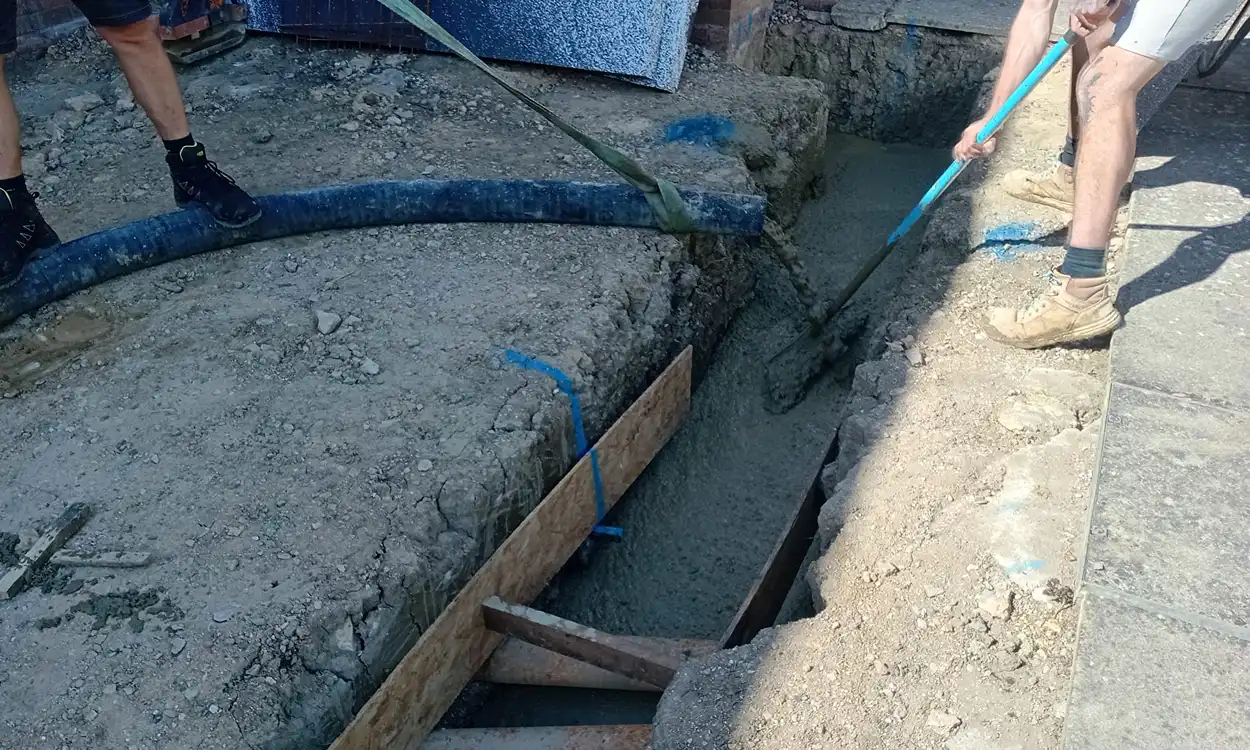
Strip footings are commonly used for extensions and load-bearing walls. Trenches are excavated and filled with concrete to spread the weight of the structure evenly across the ground.
These are regularly used for house extensions, conservatories, garden walls and smaller domestic building projects. The required depth and width will depend on the ground conditions and Building Control requirements for the site.
Pad Footings
Pad footings are used to support individual columns, posts or steelwork where weight is concentrated in specific points. These foundations provide strong support beneath structural load points and are commonly used on both domestic and commercial groundwork projects.
Raft Footings
Raft foundations use a reinforced concrete slab spread across the footprint of the structure to distribute weight evenly across the ground.
This type of foundation is commonly used for garden rooms, office pods, garages, sheds and cabins, especially where ground conditions are weaker or where a solid reinforced base is needed.
Trench Fill Footings
Trench fill footings involve filling foundation trenches almost entirely with concrete. This method is often quicker than traditional footings and reduces the amount of brickwork required below ground level.
Trench fill foundations are commonly used on extensions and new build projects where ground conditions are suitable.
Concrete Strength and Quality
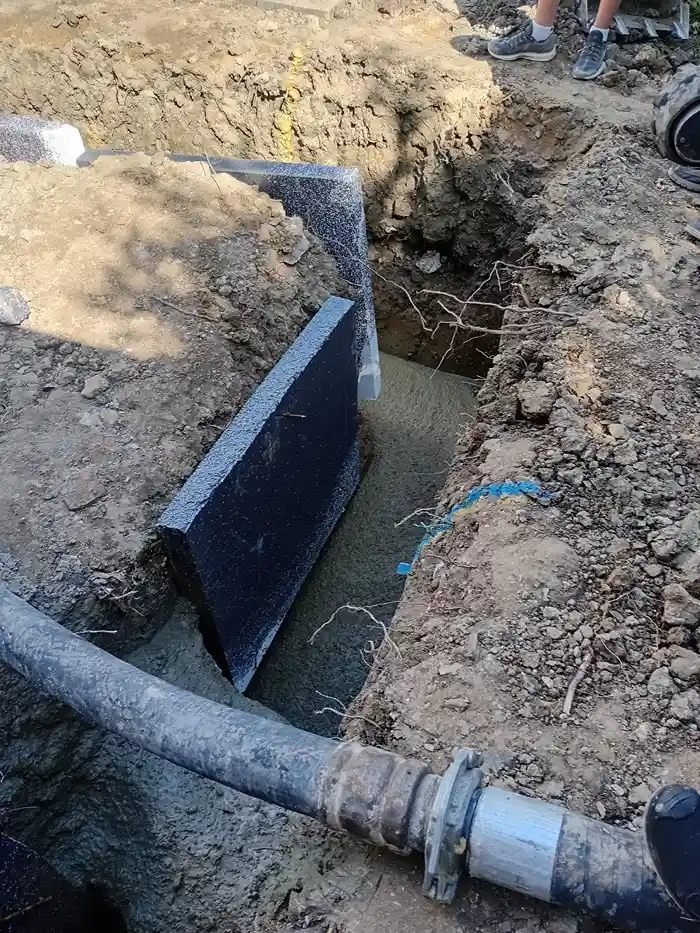
Using the correct concrete mix is an important part of foundation work. The concrete strength required will depend on the structure being built, the load above and the ground conditions below.
Concrete used for foundations is commonly supplied in mixes such as C25 or C30 depending on the project requirements. Reinforced concrete may also be needed for additional strength on certain builds.
Getting the right concrete specification helps ensure long-term durability and structural stability once the building work begins above.
Building Regulations & Inspections
Foundation work must meet current Building Regulations to ensure the structure is safe and suitable for the ground conditions present on site.
Before concrete is poured, Building Control will usually inspect the excavated trenches to check depths, widths and ground suitability. Work is carried out to engineer drawings and current regulations to help keep projects running smoothly without unnecessary delays.
Ground Conditions in Cambridgeshire
Ground conditions can vary massively across Cambridgeshire, even between neighbouring villages. Heavy clay soils are common throughout many areas and can move during dry or wet weather conditions.
Fenland areas often present different challenges due to softer ground and higher water tables, particularly during winter months. Water management during excavation is important to stop trenches becoming unstable before concrete is poured.
Older sites can also contain made-up ground or buried materials from previous construction work, which may affect how foundations need to be designed and installed.
Soil Type
Different soil types carry weight differently. Clay ground can shrink and expand with changing moisture levels, while sand and gravel often provide better drainage and stability.
Understanding the soil conditions on site helps determine the correct foundation depth and footing design for the project.
Water Table
High groundwater levels can affect excavation work and foundation stability. In some parts of Cambridgeshire, especially lower lying areas, trenches can quickly fill with water during excavation.
Managing groundwater properly is important before pouring concrete to help ensure the footing cures correctly and remains structurally sound long term.
Made Ground
Made ground refers to ground that has previously been filled or altered. This can include old rubble, previous foundations or buried waste materials.
These conditions can create instability if not identified properly, which is why groundwork needs to be assessed carefully before foundations are installed.
Extension Footings
A large amount of footing work is carried out for house extensions across St Ives, Huntingdon and surrounding Cambridgeshire villages.
This usually involves excavating trenches to the required depth, dealing with any existing drainage runs, arranging Building Control inspections and pouring concrete ready for the next stage of the build.
Keeping groundwork organised and completed properly from the start helps prevent delays later in the project.
Reliable Groundwork Services
From small domestic extension footings to larger foundation projects, the focus is always on solid groundwork, proper preparation and doing the job correctly first time.
If you need footing or foundation work carried out in St Ives, Huntingdon, Cambridge or surrounding Cambridgeshire areas, get in touch to discuss your project.